Zero-Click Search Optimization: Keep Demand Without Clicks
Master zero-click search optimization in 2026 to retain demand in AI searches like ChatGPT and Perplexity. Learn strategies, examples, and tools to boost visibility without clicks.
Master zero-click search optimization in 2026 to retain demand in AI searches like ChatGPT and Perplexity. Learn strategies, examples, and tools to boost visibility without clicks.
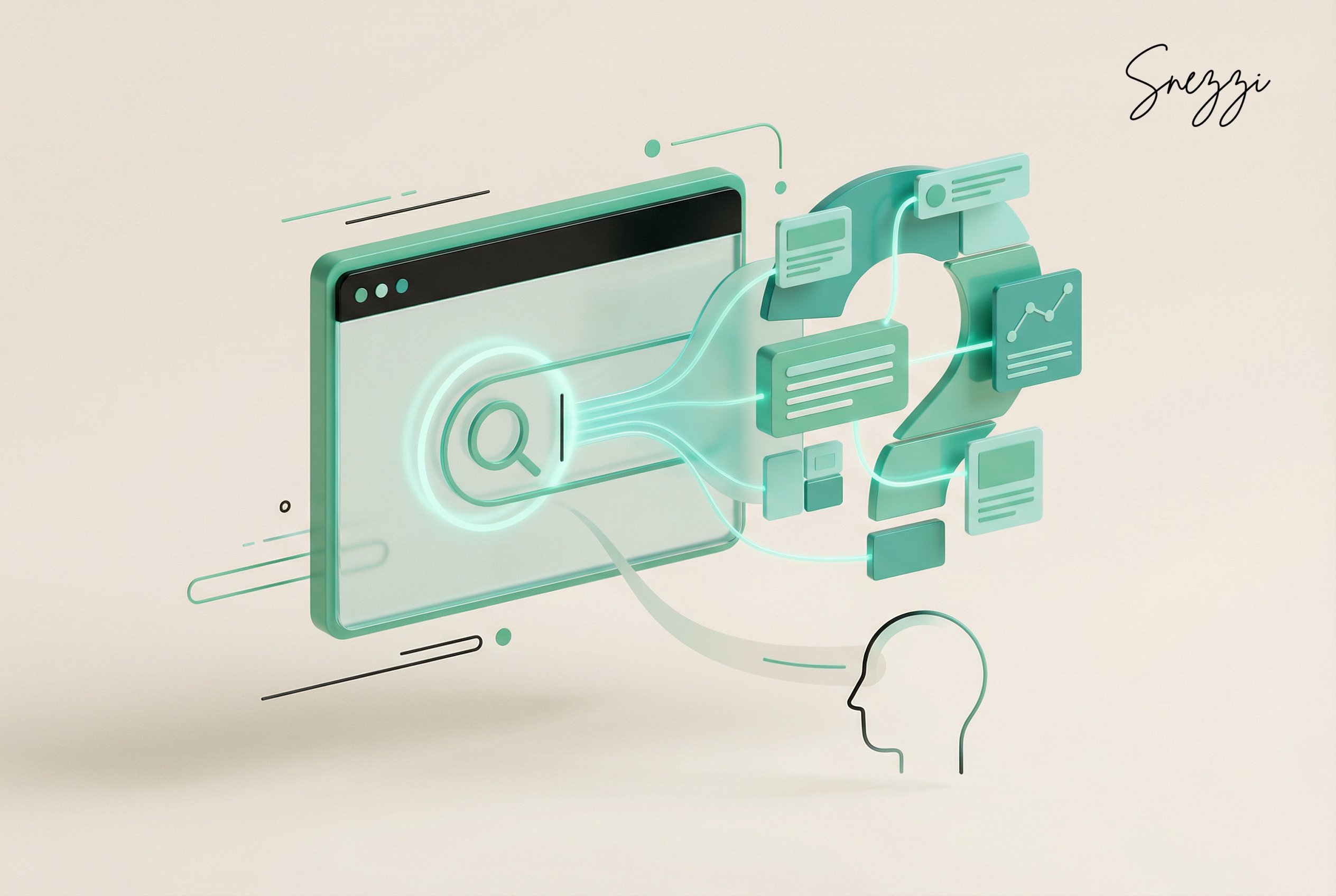
Your website traffic is disappearing, but your brand demand isn’t. In 2026, over 60% of searches end without a single click to any website. AI-powered platforms like ChatGPT, Claude, and Perplexity deliver instant answers directly in results, fundamentally changing how consumers find and evaluate products. Zero-click search optimization ensures your brand captures this demand exactly where it happens—in the answer itself, not on your landing page. This shift doesn’t kill your marketing; it transforms it into something more direct and measurable.
Zero-click search optimization is the practice of making your brand visible in search results that answer queries without requiring users to visit your website. These results appear as featured snippets on Google, AI-generated overviews, or inline citations within ChatGPT and Perplexity responses. The goal isn’t traffic anymore. It’s influence.
When someone asks ChatGPT “best CRM for small teams,” the AI synthesizes an answer from multiple sources and cites them. If your brand appears in that response, you’ve captured demand—even though the user never clicked through to your site. Google AI Mode shows 93% zero-click rates, nearly double traditional search. Learn how to optimize your content for Google AI Mode to capture this audience. The metric that matters now is citation frequency, not click-through rate.
This approach maintains brand demand by positioning you as the authoritative source AI engines trust. When millions of users receive answers featuring your expertise, purchasing intent follows naturally through direct searches, app downloads, or phone calls—all measurable actions that bypass traditional web analytics.
Search engines and AI platforms scan billions of pages to extract concise, trustworthy answers for user queries. Google’s algorithms prioritize content with strong E-E-A-T signals—experience, expertise, authoritativeness, and trustworthiness—along with structured data that machines can parse efficiently. AI models like ChatGPT and Claude work differently. They don’t rank pages; they cite sources that best answer the prompt based on training data and real-time web retrieval.
In 2026, multimodal AI integrates voice, image recognition, and generative text responses into a single search experience. Ask Perplexity about a product, and it pulls live data from Reddit discussions, brand sites, and review platforms, then synthesizes a response with inline citations. The freshness of your content matters enormously here—Perplexity cites Reddit 46.7% of the time because community discussions stay current.
Algorithms favor brevity and clarity. A 40-word paragraph answering “how does X work” beats a 500-word essay every time for snippet selection. Structured data like FAQ schema or HowTo markup gives search engines explicit instructions on what your content covers, dramatically improving your odds of appearing in position zero or AI citations. For a deeper dive into implementing these formats, see our structured data guide for AI search engines.
Understanding the language of zero-click optimization helps you implement strategies correctly.
Featured Snippets are boxed answers that appear at the top of Google search results, above all organic listings. They pull content directly from a webpage and display it with a link to the source. Featured snippets still capture 8% of clicks despite their zero-click nature, because users verify information or want more detail.
AI Citations refer to source links embedded in responses from ChatGPT, Perplexity, Claude, and similar platforms. These citations credit your site as the origin of specific facts or recommendations within a generated answer. They’re the new backlinks—signals of authority that drive brand awareness even without direct traffic.
Position Zero is the ultimate visibility spot: the featured snippet that sits above the first organic result. Winning position zero means Google selected your content as the single best answer to a query.
Prompt Engineering in an SEO context means crafting content that matches how users phrase questions to AI engines. Since conversational queries differ from keyword searches, your content needs natural question-and-answer formatting that AI models recognize as relevant to user intent.
Zero-click optimization delivers measurable results across industries when applied strategically.
A local pizzeria in Austin optimized its Google Business Profile and website with schema markup for menu items, hours, and customer reviews. When users search “best pizza near me,” Google’s AI Overview features the restaurant in its summary with a direct phone number and map link. Calls increased 34% without any change in website traffic. The demand was always there; it just bypassed the site entirely.
An e-commerce brand selling ergonomic office chairs saw AI-referred sessions jump 527% after implementing GEO tactics. Perplexity now cites their comparison guides when users ask about standing desk accessories, driving product searches directly on Amazon and their Shopify store. The brand tracks conversions through UTM parameters in cited URLs, proving zero-click exposure converts.
A SaaS workflow automation tool appears in Claude’s responses to “how do I automate client onboarding.” By publishing detailed step-by-step guides with embedded statistics and expert quotes, they earned citations in 18% of relevant AI queries. Lead volume stayed consistent even as organic traffic declined 22%, because prospects discovered them through AI recommendations and signed up directly through app store listings.
These examples share a common thread: they optimized for authority and machine readability, not just human visitors. A custom enterprise strategy helps multi-location businesses replicate this across different markets and product lines.
Ignoring zero-click search means surrendering visibility to competitors who understand the new rules.
Approximately 60-63% of Google searches now end without a click, a rate that climbs to 77% on mobile devices. If you’re optimizing solely for traditional traffic metrics, you’re invisible to the majority of searchers. Zero-click optimization preserves your presence in this dominant search behavior.
AI citations build trust at scale. When ChatGPT recommends your product to millions of users as part of an authoritative answer, you’re leveraging the platform’s credibility. Users trust AI-generated recommendations more than ads, and 80% of consumers rely on zero-click results in at least 40% of their searches. That’s a massive audience you can’t afford to miss.
Zero-click exposure drives indirect revenue through brand recall and zero-party data signals. A user who sees your brand cited in three different AI responses over two weeks is primed to convert when they’re ready to buy—whether that’s through a direct Google search for your brand name, a phone call, or an in-app purchase. These actions often happen outside standard web analytics, but they’re trackable through brand search volume, call tracking, and CRM attribution.
Implementing zero-click optimization requires specific technical and content tactics that differ from traditional SEO.
Start with schema markup and FAQ structures. Use FAQPage schema to mark up common questions and answers on your site, making it trivial for Google to extract snippets. Our guide on FAQ schema for AI visibility walks through this process in detail. HowTo schema works perfectly for instructional content. Product schema feeds AI engines with pricing, availability, and review data they cite in comparison responses. These aren’t optional anymore—they’re table stakes for zero-click eligibility.
Monitor AI prompts and citations with specialized tools. Traditional analytics won’t show you when ChatGPT cites your brand or which prompts trigger your content. Platforms designed for AI visibility tracking reveal exactly where you appear, which competitors dominate specific queries, and what content gaps you need to fill. If you’re serious about growth, book a Growth strategy session to implement prompt monitoring from day one.
Create concise, question-answering content with strong E-E-A-T signals. Write 40-60 word paragraphs that directly answer specific questions. Include statistics, expert quotes, and citations to authoritative sources—GEO tactics boost AI visibility by 40% when you add these elements. Our generative engine ranking factors guide breaks down exactly which signals matter most. Publish author bios with credentials. Update content quarterly to maintain freshness signals.
Focus on earned media over brand-owned content. AI search engines show overwhelming bias toward third-party sources like Reddit, LinkedIn articles, and industry publications. Getting featured in these channels matters more than publishing another blog post on your own domain. Pitch expert commentary to journalists, answer questions on Reddit, contribute to industry forums—these actions feed AI training data and real-time retrieval systems.
Several myths about zero-click search lead businesses to make costly strategic errors.
Myth: Zero-click kills SEO and there’s nothing you can do about it.
Reality: Zero-click shifts the focus from traffic to visibility and authority. SEO isn’t dead; it’s evolved. The skills that helped you rank—keyword research, content quality, technical optimization—now apply to earning citations and snippets. You’re still competing for attention, just in a different format.
Myth: Only big brands with massive authority can win zero-click visibility.
Small businesses actually have an advantage in niche markets. AI engines favor specialized expertise over generic brand recognition. A local HVAC company with detailed, location-specific content outperforms national chains in “best AC repair near [city]” queries. Mobile zero-click rates hit 77.2%, and most mobile searches have local intent—perfect territory for small businesses with strong local authority.
Myth: You should ignore traditional SEO and focus entirely on AI optimization.
Wrong approach. Traditional SEO and zero-click optimization complement each other. Google’s AI Overviews pull from top-ranking organic results, so ranking well still matters. Our guide to appearing in Google AI Overviews explains exactly how these systems select sources. The difference is you’re also optimizing that content for snippet extraction and AI citation. It’s additive, not replacement.
The right tools transform zero-click optimization from guesswork into a data-driven process.
Snezzi tracks prompts across ChatGPT, Perplexity, Claude, and Google AI Overviews, showing you exactly when and how your brand appears in AI-generated answers. The platform analyzes competitor citations, identifies which content types earn the most visibility, and delivers actionable optimization recommendations through done-for-you services. If you’re scaling fast and need rapid results, schedule Aggressive monitoring to capture market share before competitors catch up.
Google Search Console remains essential for traditional snippet performance. Filter by “Queries” and look for high-impression, low-click keywords—these are your zero-click opportunities. The “Search Appearance” filter shows which pages appear in rich results like FAQs, recipes, or how-tos, helping you understand what’s working.
AI-specific monitors provide intelligence on ChatGPT search visibility and Perplexity citation patterns. These platforms run thousands of test queries daily, tracking which brands appear most frequently and for which topics. This competitive intelligence reveals gaps in your coverage and helps you prioritize content creation based on actual AI behavior, not assumptions.
Zero-click search optimization is the practice of making your brand visible in search results that answer queries without requiring users to visit your website, such as featured snippets, AI Overviews, and citations within ChatGPT or Perplexity responses.
Over 60% of Google searches now end without a click, rising to 77% on mobile. While traditional website traffic may decline, zero-click optimization captures demand through brand mentions, AI citations, and featured snippets that drive indirect conversions like direct searches, phone calls, and app downloads.
Google Search Console tracks traditional snippet performance and rich results. AI visibility platforms like Snezzi monitor brand citations across ChatGPT, Perplexity, Claude, and Google AI Overviews. These tools run test queries daily to reveal where your brand appears and identify content gaps.
Yes, schema markup is essential for zero-click eligibility. FAQPage schema helps Google extract snippets, HowTo schema works for instructional content, and Product schema feeds AI engines with pricing, availability, and review data they cite in comparison responses.
Absolutely. Small businesses have an advantage in niche markets because AI engines favor specialized expertise over generic brand recognition. A local business with detailed, location-specific content can outperform national chains in zero-click results, especially for mobile searches with local intent.
Zero-click search optimization isn’t about accepting lower traffic—it’s about capturing demand where it actually happens in 2026. By implementing schema markup, creating authoritative question-answering content, earning third-party citations, and monitoring AI platforms for brand mentions, you maintain visibility as search behavior fundamentally shifts away from traditional clicks.
The businesses winning in this environment treat AI citations like the new backlinks and featured snippets like the new homepage. They measure success through brand search volume, direct conversions, and citation frequency rather than obsessing over declining organic traffic. Start by auditing your current zero-click performance: which queries trigger snippets featuring your content? Where do competitors appear in AI responses that you don’t? Which high-value questions in your industry lack authoritative answers?
Snezzi makes this measurable by tracking your AI visibility across every major platform, delivering the competitive intelligence and optimization support you need to dominate zero-click search. The demand for your products hasn’t disappeared—it’s just waiting for you in places traditional analytics can’t see.